
Rediscovering identity when familiar roles and routines change
We hear a lot of stories about aging. Sometimes, we're told these should be the golden years, filled with freedom and happiness. Other times, the focus is on everything that might go wrong. But what about your story?
Maybe you've spent years caring for others, building a career, raising a family, or being the person everyone depends on. Now, your circumstances may be changing, and you're wondering who you are outside those familiar roles. Retirement may have changed how you spend your days. The loss of a spouse or friend may have changed how you see yourself. Changes in your health might mean giving up activities that were once an important part of your life. These transitions can be difficult, especially when they weren't ones you chose.
When a familiar role changes, it's natural to miss more than the activity itself. You may miss the feeling of being needed, the connections that came with your work, or the independence of doing things on your own. You may even find yourself asking questions you haven't had to consider in years: Who am I now? What do I have to offer? Where do I fit?
Getting older doesn't mean you stop growing, changing, or discovering new things about yourself. You carry wisdom gained through years of living, loving, making mistakes, and finding your way through difficult seasons. You've learned things about yourself and the world that you couldn't have learned any other way. You’ve likely built resilience, perseverance, and your own style of coping skills. Your experiences have value, your perspective matters, and your life still has room for connection, meaning, and possibility.
You are more than your age, your health, your responsibilities, or the things you can no longer do. In saying that I do not want to dismiss that as a person in a human body age is happening therefore so is transition, change and loss. Sometimes, the first step is simply making room for the sadness, uncertainty, or frustration that comes with change. From there, you can begin exploring what still feels meaningful and what you might want your life to hold next.
Your identity can grow and change alongside you. You don't have to return to the person you were before a major life change, and you don't have to become someone entirely different overnight. There is room to honor who you've been while discovering who you are now.
Your life experience still matters, and there is more to you than the changes you've lived through.
In Part 3, we'll explore how to find purpose and meaning when the routines, relationships, or responsibilities that once shaped your days begin to change.
Coming soon: Part 3: Finding Purpose and Meaning in Later Life.
Link back to Part 1: Is It Normal to Feel Lonely or Sad as You Get Older?
Author Bio:
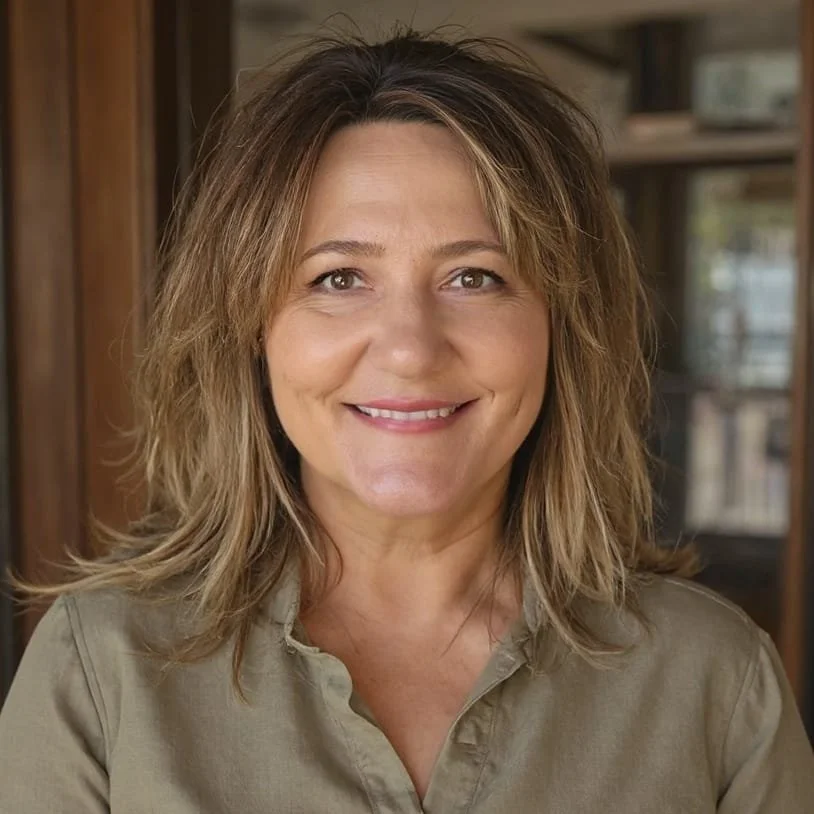
Erin Davenport is a Licensed Professional Counselor Associate with Everstead Counseling, PLLC. She offers a warm, relational approach to counseling, helping clients navigate anxiety, grief, life transitions, and questions of identity and purpose. Her interests include supporting older adults as they navigate the challenges and possibilities of later life.
